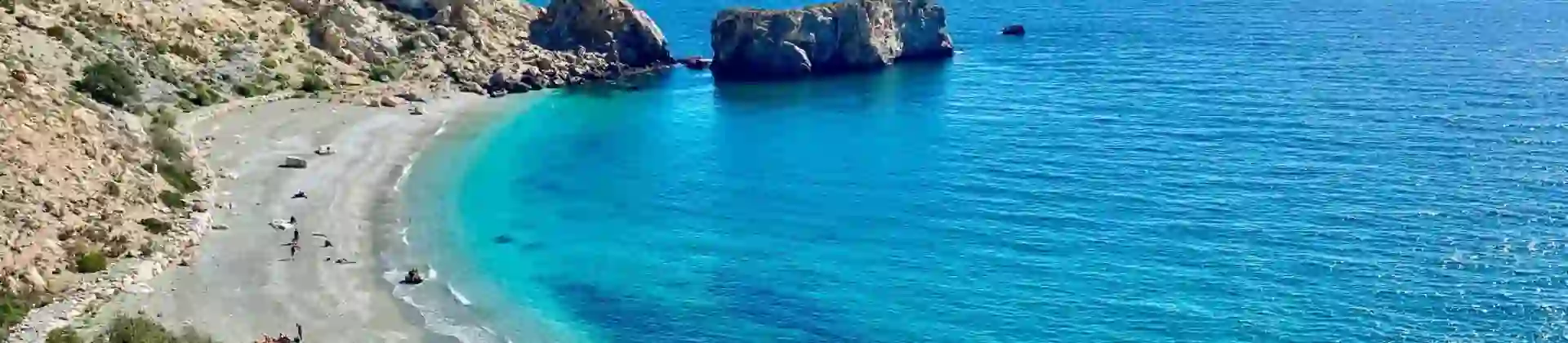
Spain Travel Guide
Discover Spain's fascinating history, beautiful beaches, mouth-watering food and relaxed Mediterranean living
Spain: our destination guide
Spain is a country of striking contrasts and shared experiences. From Moorish palaces and Gothic cathedrals to sunlit beaches and mountain railways, it offers an enriching blend of history, culture and relaxed Mediterranean living.
Whether you’re drawn to world-famous landmarks or slower-paced regional discoveries, this Spain travel guide explores the best places to visit in Spain, practical travel tips and the top things to do in Spain.
Quick highlights of the must-see places in Spain include:
- Barcelona – Gaudi's Sagrada Família, tapas by the sea, vibrant Catalan culture.
- Madrid – The Prado Museum, royal palaces, lively plazas and rooftop views.
- Seville – Flamenco performances, the Alcázar Palace, orange-scented streets.
- Granada – The Alhambra and the Albaicín beneath the Sierra Nevada.
- Valencia – The City of Arts and Sciences and authentic paella.
- San Sebastián – Pintxos bars and an elegant seaside promenade.
Discover the best Spain has to offer with Newmarket Holidays escorted tours.
Places to visit in Spain
Spain’s regions each have a distinct personality shaped by geography, history and local traditions. Below are some of the most beautiful places in Spain and what makes them unique.
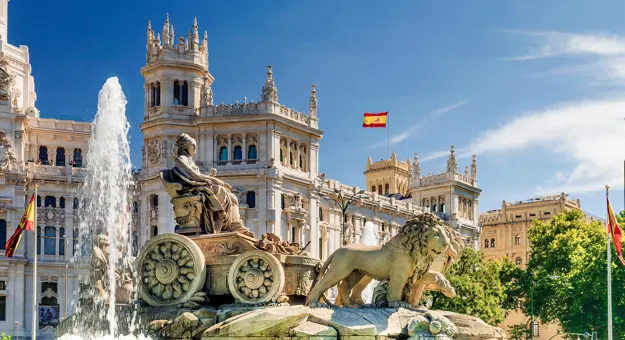
Madrid & Central Spain
Spain’s elegant capital blends royal heritage with modern energy.
- Home to the Prado Museum and Reina Sofía.
- The Royal Palace and expansive Plaza Mayor.
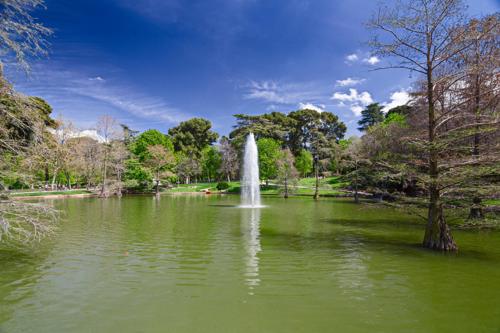
- Lively tapas culture and green spaces such as El Retiro Park.
- Easy day trips to Toledo, Segovia and Salamanca.
Best for: Art lovers, history enthusiasts, city breaks with cultural depth.
Explore on our Madrid, Toledo & Salamanca tour for a seamless introduction to central Spain.
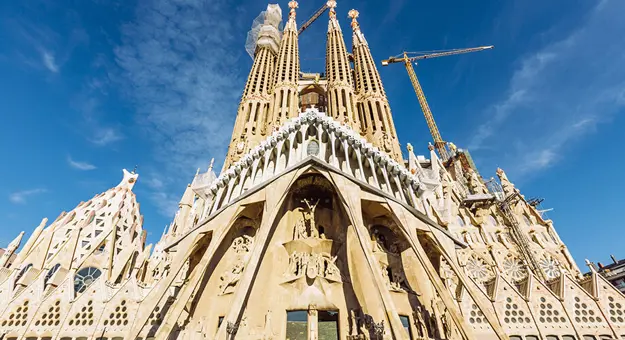
Barcelona & Catalonia
Barcelona is one of the most iconic places to see in Spain, combining architecture, sea views and creative flair.
- Gaudí landmarks including the Sagrada Família and Park Güell.
- The Gothic Quarter’s medieval streets.
- Mediterranean beaches and waterfront promenades.
- A thriving food scene and café culture.
Best for: Architecture, coastal cities, contemporary culture.
Read more in our guide to 5 things you can’t miss in Barcelona.
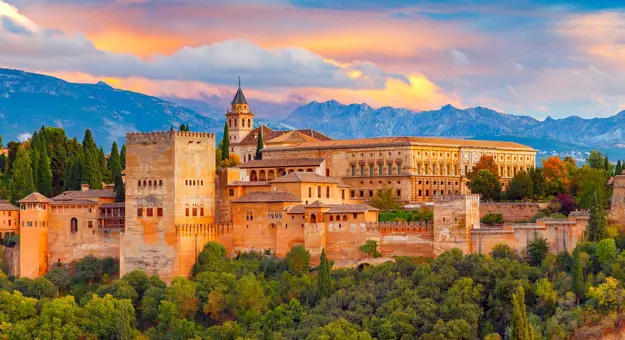
Seville & Granada
In Andalusia’s heart, Seville and Granada showcase Spain’s Moorish legacy.
Seville
- The Royal Alcázar Palace.
- Seville Cathedral and La Giralda.
- Flamenco in the Triana district.
Granada
- The Alhambra fortress-palace.
- Albaicín’s whitewashed lanes.
- Sierra Nevada mountain views.
Best for: Historic architecture, flamenco culture, romantic cityscapes.
Discover both cities on our Seville, Granada & Classic Spain tour.
Wider Andalucía
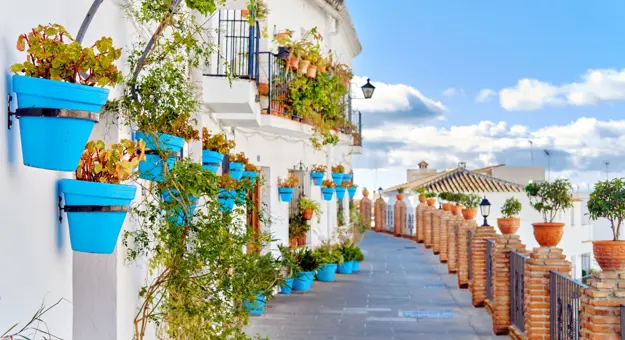
Andalucía captures many of the famous places in Spain in one region.
- Whitewashed hill villages.
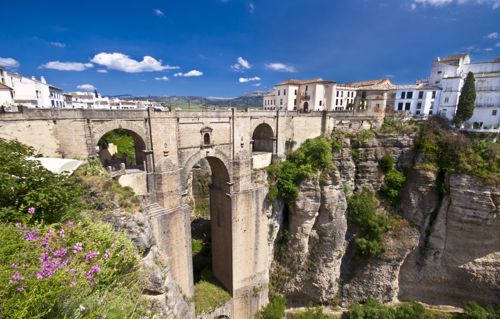
- Olive groves and dramatic gorges such as Ronda.
- Sunshine, beaches and mountain scenery.
- Traditional tapas and fiestas.
Best for: Cultural immersion, scenic variety, warm climate.
Explore our dedicated Andalucía tours.

Northern Spain & Hidden Regions
Northern Spain offers a greener, less-travelled perspective.
- Santiago de Compostela’s cathedral.
- León’s Gothic architecture.
- Scenic rail journeys through mountainous landscapes.
- Parador stays in converted castles and monasteries.
Best for: Pilgrimage heritage, slower-paced travel, rural landscapes.
Consider our Historic Paradores of Hidden Spain.
Our most popular Spain tours
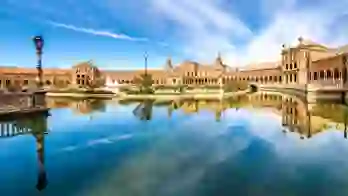
- Explore Granada's world-renowned Alhambra and its exquisite gardens on a guided tour
- Visit the fabled Mezquita in Córdoba, a Moorish capital
- Enjoy a full-day visit to Seville, the city of flamenco
- Flights included
8 days from £1,223 pp
was £1,359 pp
Dates Available
February 2027 - November 2027
Duration
8 days
Depart From
14 airports
Excursions & Visits
6 included
Meals
7 included
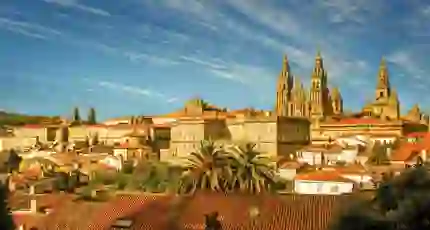
- Soak up the royal history and elegant atmosphere of your parador hotels
- Explore Santillana del Mar – one of Spain’s prettiest villages
- Revel in relaxed Gijón and the historic Asturian capital, Oviedo
- Flights included
8 days from £2,236 pp
was £2,485 pp
Dates Available
May 2027 - October 2027
Duration
8 days
Depart From
15 airports
Excursions & Visits
7 included
Meals
11 included
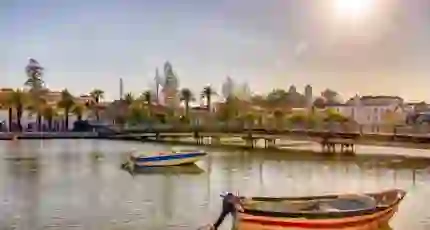
- Marvel at the rugged landscapes of Cape St. Vincent and look out over the wild Atlantic coast from its clifftop overlooks
- Spend time exploring Lagos’ picturesque old town and get a taste for life in southern Portugal with a stop in charming Sagres
- Embrace the home of the flamenco, elegant Seville, with guided sightseeing around its most historic landmarks
- Flights included
8 days from £805 pp
was £895 pp
Dates Available
November 2026 - May 2028
Duration
8 days
Depart From
12 airports
Excursions & Visits
4 included
Meals
7 included
Top things to do in Spain
Here are 10 of the leading Spain tourist attractions and experiences. Many are included within Newmarket Holidays’ escorted tours; others may be enjoyed during leisure time.
1. Discover the royal history & art of Madrid
Visit the Museo del Prado and admire masterpieces from Velázquez and Goya. Relax in El Retiro Park after a museum morning. Experience the lively tapas bars and rooftop views of the Spanish capital.
Time needed: Half day to full day.
Accessibility: Major museums, parks and central areas are largely step-free and wheelchair accessible. Some historic streets and tapas bars may be more compact or crowded.
Included on: Madrid, Toledo and Salamanca
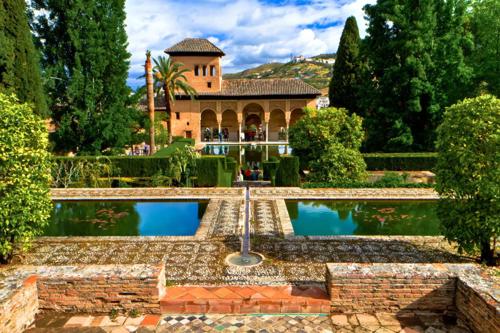
2. Tour the Moorish legacy at the Alhambra Palace & Granada
Walk through the palaces, courtyards and gardens of the fortress-palace. Explore Granada’s Albaicín district with its white-washed houses and skyline views. Feel the Sierra Nevada in the backdrop of this historic city.
Time needed: Half to full day.
Accessibility: The Alhambra has step-free routes and adapted access, though distances are long. The Albaicín features steep, cobbled streets and is less suitable for limited mobility.
Included on: Seville, Granada and Classic Spain
 |
 |
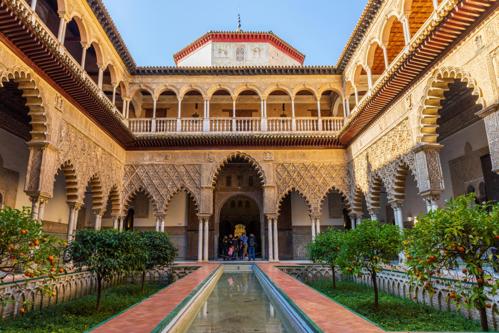
3. Immerse in the culture of Seville & Andalusian Spain
Visit the Royal Alcázar of Seville royal palace and its Moorish gardens. Enjoy a flamenco show in the Triana or Santa Cruz quarter. Wander the orange-tree-lined streets and visit the gothic cathedral.
Time needed: Full day.
Accessibility: Seville’s main attractions are generally accessible, with flat walking routes in the historic centre. Some older quarters have narrow streets and uneven paving.
Included on: The Majestic Cities of Andalucia - Premier Collection
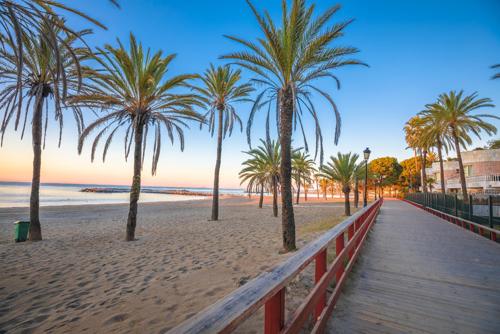
4. Cruise Spain’s coast & relax on fine Mediterranean beaches
Visit beautiful beaches in Marbella. Combine beach time with local seafood lunches and scenic coastal walks. Stay in accommodation with easy access to the water or a pool.
Time needed: Half to full day, or free leisure time built into a touring itinerary. Check individual tours.
Accessibility: Many popular beaches and promenades offer level access, with adapted facilities available in some resort areas. Sand access may be limited without assistance.
Included on: Seville, Granada & Classic Spain with Marbella Beach Extension
 |
 |
5. Discover the dramatic Andalusian city of Ronda
Explore the mountaintop city split by the El Tajo gorge and take in panoramic views from the iconic Puente Nuevo bridge. Wander the historic old town, bullring and whitewashed streets. A memorable stop that showcases Andalusia’s rugged landscapes and Moorish heritage.
Time needed: Half day (around 3–4 hours).
Accessibility: Viewpoints and main areas are accessible, but the old town includes uneven streets, slopes and steps which may be challenging for limited mobility.
Included on: The Majestic Cities of Andalucia - Premier Collection
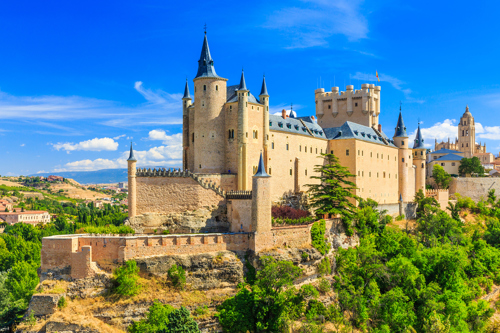
6. Journey through Spain’s historic towns (Toledo, Segovia, Salamanca)
Walk the UNESCO-listed old towns, cathedrals and Roman aqueducts. Enjoy medieval architecture, local craft shops and authentic regional cuisine. Best done as part of a guided tour to maximise context and minimise travel stress.
Time needed: Half to full day per town.
Accessibility: Historic centres often involve hills, steps and cobbled streets. Key landmarks are accessible, but walking can be demanding in places like Toledo.
Included on: Madrid, Toledo and Salamanca
 |
 |
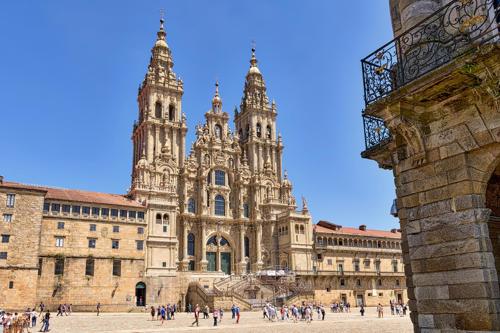
7. Follow pilgrims’ footsteps in Santiago de Compostela & León
Visit Santiago de Compostela, the legendary endpoint of the Camino de Santiago. Admire its grand cathedral and atmospheric old quarter.
Explore León’s historic centre, known for its Gothic cathedral and Roman roots. Offers deep cultural insight into Spain’s religious and medieval history.
Time needed: One full day across both cities, or approximately half a day per destination.
Accessibility: Main squares and cathedrals are largely accessible, though some older streets are uneven. Cathedral interiors may include limited steps.
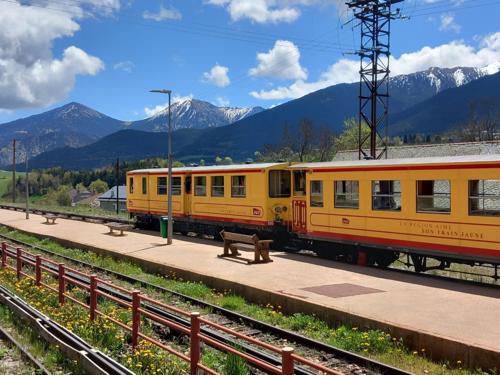
8. Experience scenic mountain & rail adventures
Ride historic or scenic railways through the Pyrenees or other mountainous regions. Hike or stroll in lesser-known natural parks away from the crowds. Balance city intensity with restful mountain air and slower-paced exploration.
Time needed: Varies from a half day scenic journey to a full day excursion.
Accessibility: Train travel is generally accessible, though access to viewpoints and walking paths may vary depending on terrain.
Included on: Little Trains of the Pyrenees
 |
 |
9. Stay in a historic “parador” hotel and travel at a gentler pace
Appreciate the concept of staying in iconic paradors - converted castles, monasteries, historic inns. Combine journeying with quality rest and cultural ambiance. Ideal for travellers seeking comfort, heritage and a slower rhythm.
Time needed: Time varies - check individual tours for more information.
Accessibility: Accessibility varies by property. Many paradors offer adapted rooms and lifts, though historic layouts may include steps and long corridors.
Included on: Historic Paradores of Hidden Spain
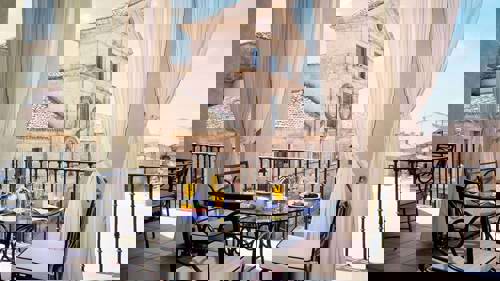
10. Delve into Spain’s food & drink culture region by region
Share tapas in Andalusia or try pintxos in the Basque region. Visit a local food market or join a tasting/tour experience. Pair meals with a regional wine or sangria and soak in the atmosphere of a local dining scene.
Time needed: Flexible - from a short tasting experience to an evening or free-time activity.
Accessibility: Markets and restaurants vary; many modern venues are accessible, while traditional bars may be small, busy or step-access only.
 |
 |
Food & drink in Spain
Food in Spain is deeply regional, seasonal and social. Recipes are shaped by landscape - olive groves in Andalucía, Atlantic seafood in the north, fertile rice fields in Valencia and mountain produce inland. Meals are often shared, unhurried and built around fresh ingredients rather than heavy sauces. Lunch is traditionally the main meal of the day, tapas culture encourages sampling several small dishes, and local wines are proudly paired with regional cuisine.
Here’s a flavour of Spain’s culinary identity by region.
Andalucía
Southern Spain’s cuisine reflects Moorish heritage and Mediterranean produce.
- Gazpacho & salmorejo – Chilled tomato soups made with olive oil and garlic, ideal in warmer months.
- Jamón ibérico – Cured ham carved thinly and served simply with bread.
- Pescaíto frito – Lightly fried seafood, especially along the Cádiz and Málaga coasts.
Catalonia
A creative region with both mountain and coastal influences.
Pa amb tomàquet – Rustic bread rubbed with tomato and olive oil.
Suquet de peix – Traditional Catalan fish stew.
Crema catalana – A caramelised custard dessert similar to crème brûlée.
Valencia
The birthplace of Spain’s most internationally known dish.
- Paella Valenciana – Traditionally made with rabbit, chicken and local beans (seafood versions are common along the coast).
- Arroz a banda – Rice cooked in fish stock, often served with seafood separately.
- Horchata de chufa – A refreshing drink made from tiger nuts.
Madrid & Central Spain
Hearty dishes suited to cooler inland winters.
- Cocido madrileño – A substantial chickpea and meat stew served in stages.
- Bocadillo de calamares – Fried squid in a crusty baguette, popular near Plaza Mayor.
- Churros con chocolate – Fried dough served with thick hot chocolate.
Basque Country & Northern Spain
Known for refined techniques and high-quality ingredients.
- Pintxos – Small bites served on bread, displayed along bar counters.
- Bacalao a la vizcaína – Salt cod in a red pepper sauce.
- Txakoli wine – A lightly sparkling, slightly acidic white wine from the coast.
Galicia (Northwest Spain)
Atlantic flavours dominate.
- Pulpo a la gallega – Octopus served with paprika and olive oil.
- Empanada gallega – Savoury pastry filled with tuna or meat.
- Albariño wine – Crisp white wine ideal with seafood.
Getting around Spain
Spain’s infrastructure is modern and efficient.
- Major UK airports connect directly to Madrid, Barcelona, Málaga and Seville.
- The high-speed AVE train links Madrid with Seville, Barcelona and Valencia.
- Metro systems in major cities are reliable and largely accessible.
- Taxis and ride-hailing services are widely available.
- Many central stations offer step-free access, though older streets may be uneven.
Escorted tours remove the need to coordinate transfers, allowing you to focus on the experience.
The best time to visit Spain
Spain’s climate varies by region. Coastal areas remain mild, while inland cities can be hot in summer and cooler in winter.
Spring (April–May) and autumn (September–October) are widely considered the best time to visit Spain, offering pleasant temperatures and fewer crowds.
Month-by-month weather guide
| Month | Avg. Temp | Notes |
|---|---|---|
| January | ~8 °C | Coldest month, inland chill, some regions still mild. |
| February | ~9 °C | Similar to January; still low tourist traffic, good value. |
| March | ~11 °C | Spring begins; days growing mild, nights remain cool. |
| April | ~14 °C | More comfortable; good transition period for sightseeing. |
| May | ~18 °C | Warm and pleasant; great for outdoor activities and early beach visits. |
| June | ~22 °C | Warm to hot; summer season begins in earnest. |
| July | ~25 °C | Peak summer; very hot in many regions, busy tourist period. |
| August | ~25 °C | High heat continues; beach & resort season at full swing. |
| September | ~22 °C | Warm still but easing; fewer crowds begin. |
| October | ~17 °C | Mild and comfortable; autumn colours; some rain in the north. |
| November | ~11 °C | Cooler, wetter (especially north); good for city breaks. |
| December | ~9 °C | Winter sets in; south remains relatively mild, mountains may see snow. |
Accessibility & comfort in Spain
Spain’s major attractions increasingly provide step-free routes and accessible facilities. Historic districts may include cobbled streets and inclines, but planning ahead makes travel manageable.
Staying in historic Paradores offers comfort in character-filled settings. Learn more about why you should stay in a Parador hotel when you visit Spain.
With guided support, local insight and pre-arranged logistics, you travel with confidence.
Essential info for Spain
Spain’s Currency
Spain uses the Euro (€). Exchange rates vary; check current rates before departure.
Tipping in Spain
Tipping isn’t mandatory, but rounding up or leaving 5–10% in restaurants is appreciated.
Plugs in Spain
Type F plugs are used. UK travellers need an adaptor.
Useful phrases in Spain
- Hola - Hello
- Buenos días - Good morning
- Buenas tardes - Good afternoon
- Buenas noches - Good evening/night
- Por favor - Please
- Gracias - Thank you
- De nada - You’re welcome
- Perdón / Disculpe - Excuse me / Sorry!
- ¿Dónde está…? - Where is…?
- ¿Cuánto cuesta? - How much does it cost?
- La cuenta, por favor - The bill, please
- Una mesa para dos, por favor - A table for two, please
- Una copa de vino tinto / blanco - A glass of red / white wine
- Ayuda, por favor - Help, please
FAQs
Discover our blog
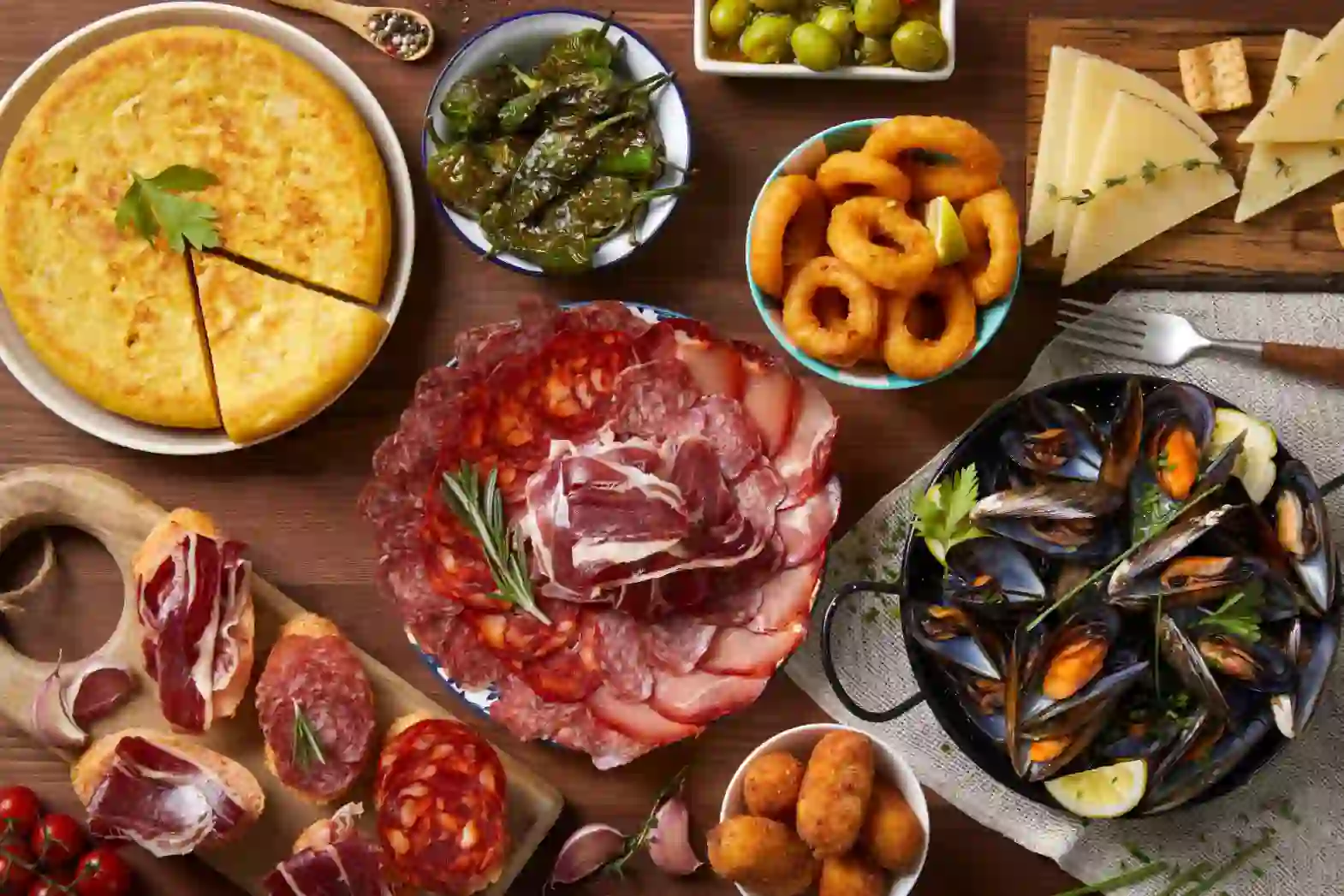
The history of tapas and four of the best spots to try it
Go beyond the small plates of southern Spain’s most popular meal and discover the origins, meanings, and traditions behind tapas.
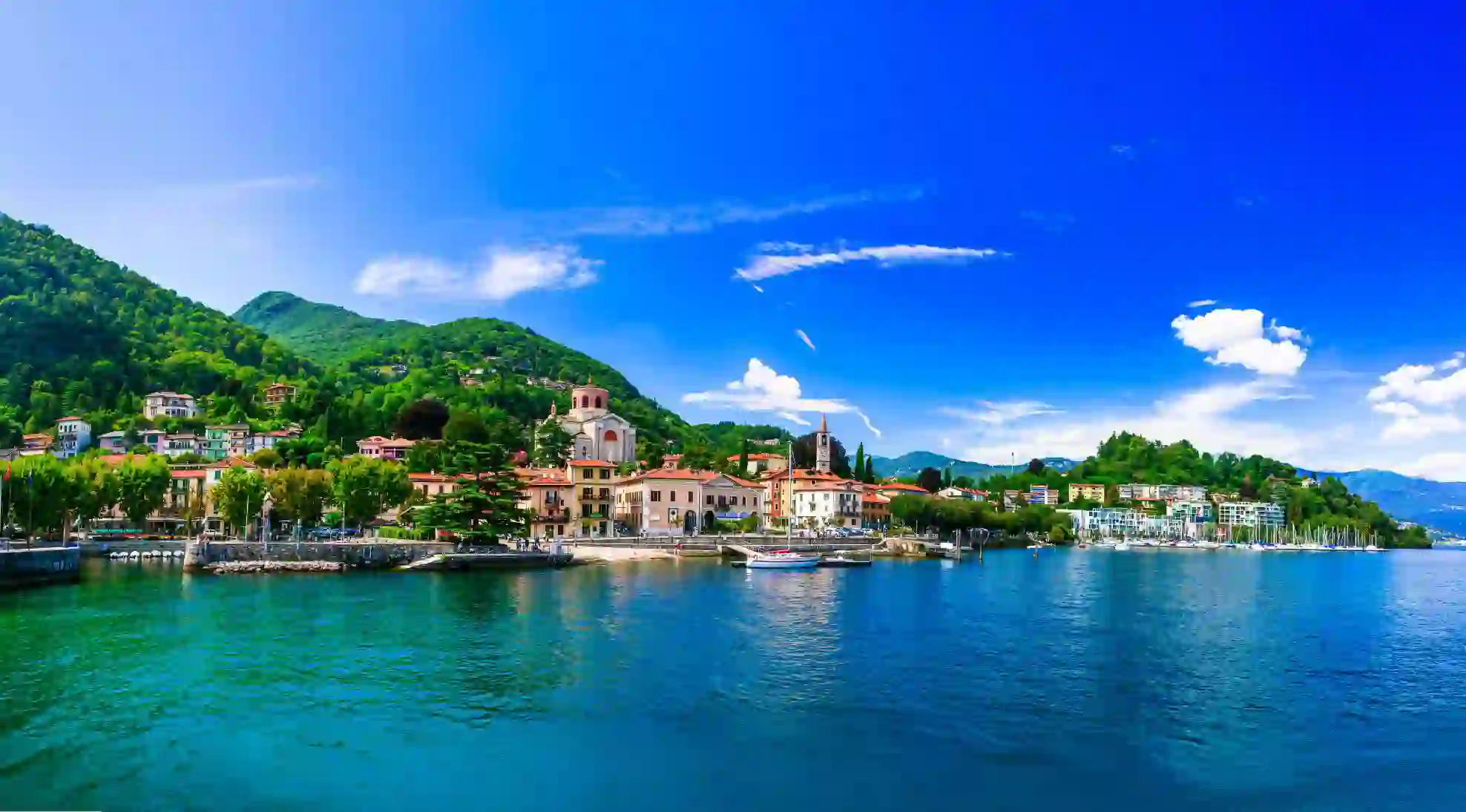
Destination ‘dupes’: Five alternatives to Europe’s holiday hotspots
Take the road less travelled this year and discover one of Europe’s best-kept secrets with fewer crowds and unique highlights for excellent value.
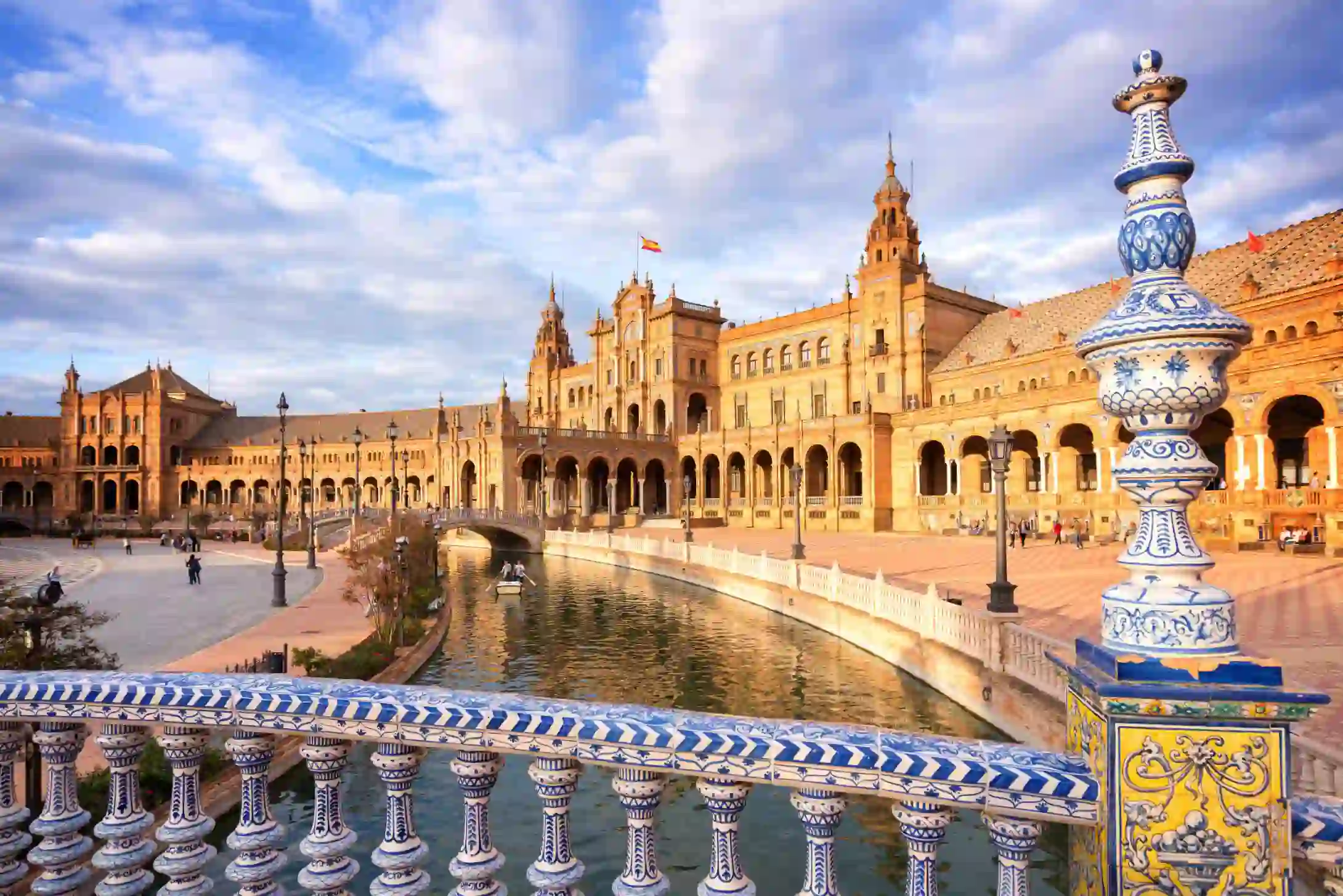
The best European hotspots to explore in 2026
While Europe is home to spectacular sights, some spots stand out from the rest. From the dramatic Norwegian fjords to the beautiful Douro Valley, we’ve rounded up the top European travel destinations for 2026.