
Greece Travel Guide
Ancient history, island scenery and warm culture across one of Europe's most captivating destinations
Greece: our destination travel guide
From the moment the Acropolis comes into view above the rooftops of Athens, Greece makes its impression felt. It's a country where ancient history isn't tucked away behind glass, it rises from the earth along every road, from the clifftop sanctuary at Delphi to the UNESCO-listed citadel of Mycenae. Yet Greece is far more than a living museum. Its islands shimmer across the Aegean and Ionian seas, its tavernas spill onto sun-warmed terraces, and its people bring an unhurried warmth to every encounter.
Whether you're drawn by the best places to visit in Greece or simply want to understand what Greece has to offer beyond the postcards, this guide covers the key destinations, top things to do, the best time to visit Greece, practical travel information, and the flavours you can expect along the way. Escorted tours make it straightforward to connect Greece’s remarkable historic sites with spectacular scenery across mainland Greece and its islands, all at a comfortable, unhurried pace.
Quick highlights: Best Greece tourist attractions
Athens – A historic capital where ancient landmarks such as the Acropolis rise above lively neighbourhoods, museums, and bustling cafés.
Santorini – Famous for its whitewashed villages, blue-domed churches, and spectacular sunsets overlooking volcanic cliffs.
Delphi – One of Greece's most important archaeological sites, once home to the legendary Oracle and set dramatically on the slopes of Mount Parnassus.
Hydra – A charming island known for its car-free streets, elegant harbour, and relaxed pace of life, ideal for a peaceful coastal escape.
Discover Greece's must-see sights effortlessly, with Newmarket Holidays’ escorted tours to Greece.
Best places to visit in Greece
Greece rewards exploration at every turn. Its mainland and islands together form one of Europe’s most diverse travel destinations, offering everything from world-famous archaeological wonders to breathtaking coastal scenery.
The places to visit in Greece range from thriving, walkable capital cities to peaceful island retreats barely touched by modernity. Whether you’re drawn to ancient temples, volcanic island scenery, or charming harbour towns, escorted touring connects these highlights at a comfortable, unhurried pace.
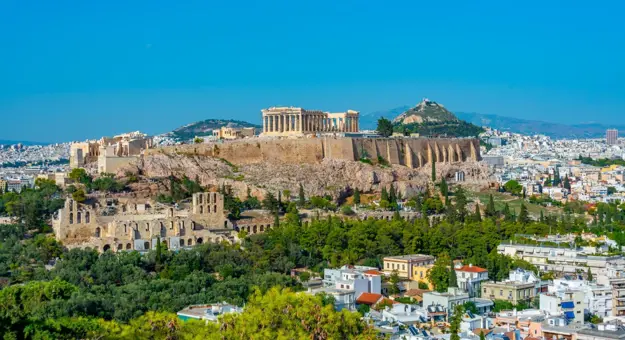
Athens
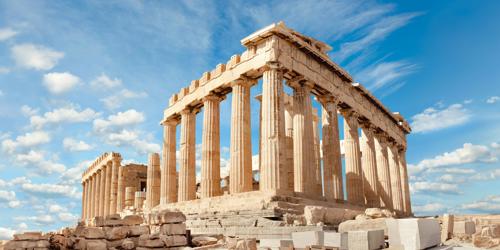
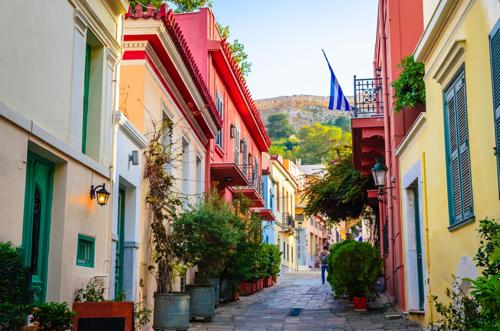
Greece’s historic capital is home to the iconic Acropolis of Athens, a 5th-century citadel that UNESCO has described as “the most striking and complete ancient Greek monumental complex.” The Parthenon, the Odeon of Herodes Atticus, and the world-class Acropolis Museum sit alongside lively neighbourhoods such as Plaka, with its narrow cobbled streets and family-run tavernas. Athens is excellent for guided sightseeing, and its compact historic centre is very walkable.
Best for: classical history, guided sightseeing, city culture, and architecture
Included on: Ancient Greece Uncovered

Meteora
Few landscapes in Europe are quite as extraordinary as Meteora. Towering rock pillars rise sharply from the plain of Thessaly, their summits crowned by centuries-old monasteries that seem to defy the laws of gravity. Once accessible only by rope ladders and nets, the monasteries are now reached by carved stone steps and remain active places of worship as well as remarkable historical monuments.
Best for: unique scenery, photography, and Greek cultural heritage
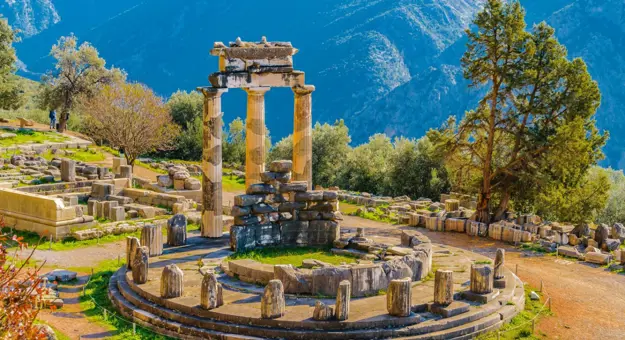
Delphi
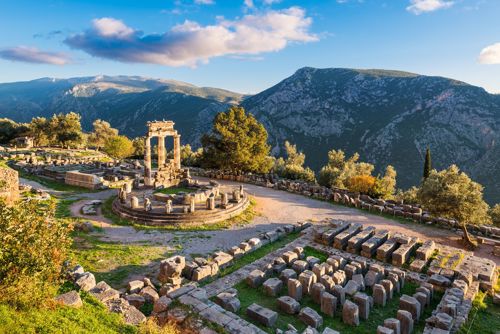
Set on the dramatic slopes of Mount Parnassus, Delphi was once considered the very centre of the ancient world. It was here that the Greeks came to consult the Oracle of Apollo before wars, voyages, and great decisions. The ruins of the Temple of Apollo, the treasury buildings, the hillside theatre, and the superb on-site museum (home to the magnificent 5th-century bronze Charioteer) make Delphi one of the most spectacular archaeological sites in Greece.
Best for: classical history lovers and spectacular mountain scenery
Included on: Ancient Greece Uncovered
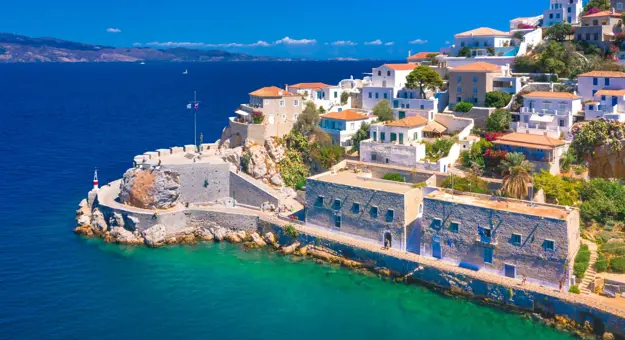
Hydra
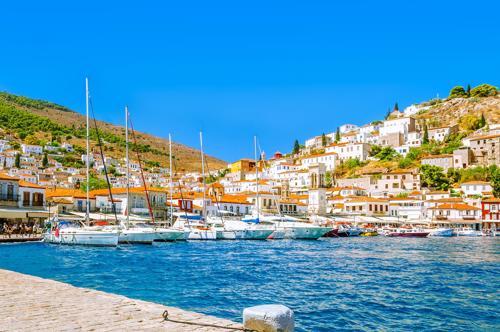
A short ferry ride from Athens, Hydra is the kind of island that stays with you. There are no cars or motorbikes, only cobbled lanes, elegant stone mansions, and a beautiful harbour lined with cafés and galleries. Artists and writers have been drawn here for generations, and it’s easy to understand why. The island moves at its own unhurried pace, offering coastal walks with views across the Saronic Gulf and a genuine sense of retreat from the wider world.
Best for: laid-back island life, harbour views, and a slower pace of exploration
Included on: Ancient Greece Uncovered with Hydra Extension
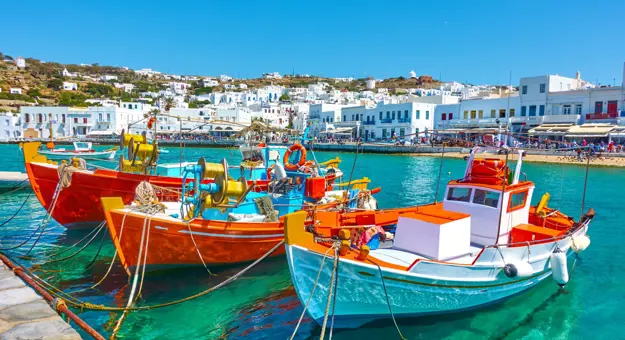
Greek Islands
From the volcanic drama of Santorini to the Venetian harbours of Crete, the Greek islands span an extraordinary range of character and landscape. Santorini is famed for its blue-domed churches and vineyards that cover almost 50% of the island’s surface. Crete is the largest Greek island, offering everything from Bronze Age palaces to rugged mountain villages. Rhodes combines a UNESCO-listed medieval Old Town with sweeping Blue Flag beaches. Further afield, smaller islands such as Patmos and Mykonos each bring their own distinct atmosphere to any island-hopping itinerary.
Best for: island-hopping, scenic views, and relaxed coastal exploration
Included on: Ancient Greece Uncovered with Aegean Islands’ Cruise
Our holidays to Greece

- Discover Athens and its treasure chest of archaeological sites
- Explore the UNESCO World Site of Mycenae, among the most important archaeological sites in Greece
- Visit the Corinth Canal and Epidaurus, a small city famed for its temple and theatre
- Flights included
8 days from £1,673 pp
was £1,969 pp
Dates Available
April 2027 - October 2028
Duration
8 days
Depart From
14 airports
Excursions & Visits
9 included
Meals
9 included

- Discover Athens and its treasure chest of archaeological sites
- Explore the UNESCO World Site of Mycenae, among the most important archaeological sites in Greece
- Discover historic Delphi, the home of the Temple of Apollo
- Flights included
11 days from £2,384 pp
was £2,805 pp
Dates Available
April 2027 - October 2028
Duration
11 days
Depart From
14 airports
Excursions & Visits
9 included
Meals
9 included

- Soak up Santorini’s idyllic vineyard-laden vistas on an evening’s visit and perhaps sample a few of the local labels
- Wander around the site of Olympia, the historic birthplace of the Olympic Games
- Witness the treasures of the Cretan capital, Heraklion, and visit the magnificent Palace of Knossos, the fabled home of the minotaur
- Flights included
12 days from £2,727 pp
was £3,209 pp
Dates Available
April 2027 - October 2027
Duration
12 days
Depart From
13 airports
Excursions & Visits
9 included
Meals
20 included
Top things to do in Greece
Greece offers an impressive variety of experiences, from archaeological sites to relaxed waterfront evenings. Many of the activities below are included within Newmarket Holidays escorted tours; others are optional suggestions that may be enjoyed during leisure time. Travellers should always check individual tour itineraries, as free time varies by tour.
1. Visit the Parthenon and the Acropolis Museum
Overview: The iconic Acropolis of Athens is Greece’s most famous historic site, crowned by the magnificent Parthenon. A visit is often paired with the nearby Acropolis Museum, which houses remarkable artefacts from the ancient city of Athens, including friezes, sculptures, and finds spanning several millennia. The view from the Acropolis hill across Athens is breathtaking.
Time needed: 2–3 hours for the Acropolis; allow another 1–2 hours for the museum.
Estimated cost: Combined tickets vary slightly but are typically around €20–€30 depending on the season.
Accessibility: Paths on the hill can be steep and uneven with marble steps; the Acropolis Museum is modern and fully accessible.
2. Explore the historic centre of Athens
Overview: Wander through the lively districts surrounding the Acropolis, including Plaka and Monastiraki, known for charming streets, tavernas, markets, and Neoclassical architecture. This is the ideal way to experience the rhythm of everyday Athenian life, alongside some of the city’s finest ancient monuments.
Time needed: 1–3 hours depending on how many stops you take.
Estimated cost: Free to explore, with optional dining and shopping costs.
Accessibility: Mostly walkable but some areas include cobbled streets and slopes. Comfortable footwear is recommended.
 |
 |
3. Visit the archaeological site of Delphi
Overview: The spectacular sanctuary of Delphi was once believed to be the centre of the ancient world. Visitors explore the ruins of the Temple of Apollo, the treasury buildings, and the hillside theatre overlooking a dramatic mountain valley. The on-site museum houses the celebrated bronze Charioteer, one of the finest surviving statues from antiquity.
Time needed: 3–4 hours including the archaeological site and museum.
Estimated cost: Around €12–€15 for site entry.
Accessibility: Paths are uneven with uphill walking, especially as you get closer to the archaeological site. Comfortable, sturdy footwear is strongly recommended.
4. Travel to the Island of Hydra
Overview: A peaceful island escape known for its preserved architecture, quiet lanes, and absence of cars. Visitors can explore the harbour, browse small galleries, or enjoy coastal walks with views across the Saronic Gulf. Hydra has long been a retreat for artists, writers, and those seeking a slower pace of island life.
Time needed: Half-day to a full day, depending on whether visiting as part of a tour excursion or extension stay.
Estimated cost: Typically included within Newmarket Holidays’ Hydra extension tour; independent visits may include ferry costs from Athens.
Accessibility: The island’s terrain includes slopes and uneven paths, with walking as the main way to get around. Those with mobility considerations may wish to discuss this with their tour manager in advance.
 |
 |
5. Experience traditional Greek cuisine
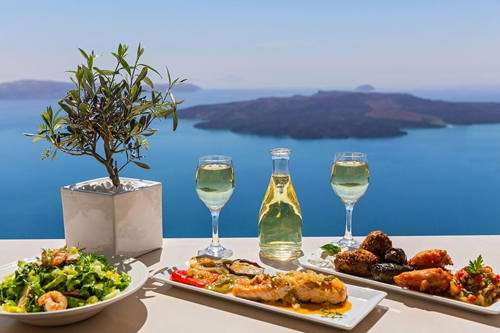
Overview: Sampling local food is a genuine highlight of any visit to Greece. Classic dishes such as moussaka, souvlaki, and fresh seafood are widely available in traditional tavernas across the country, from bustling Athens to quieter island ports. Dining in Greece is a relaxed, sociable experience that’s well worth savouring.
Time needed: 1–2 hours for a relaxed meal.
Estimated cost: Around €15–€30 per person depending on location and restaurant.
Accessibility: Most restaurants are accessible, though some older buildings or traditional tavernas may have limited access.
Food & drink in Greece
Greek cuisine is built on quality ingredients, tradition, and generosity. Fresh salads, grilled meats, seafood, and vegetable dishes are widely available across the country, and the emphasis on olive oil, garlic, tomatoes, and local herbs gives Greek food a vivid, Mediterranean character that’s both approachable and delicious. Whether you’re dining in a modern Athenian restaurant or a harbourside taverna on a quieter island, you’ll find food that feels genuinely homemade.
Signature dishes and drinks
- Moussaka – layered aubergine, minced meat, and creamy béchamel sauce, widely served in tavernas across mainland Greece.
- Souvlaki – skewered grilled meat often served with flatbread, salad, and tzatziki; a popular street food and casual meal.
- Greek salad – ripe tomatoes, olives, cucumber, and feta cheese, drizzled with olive oil.
- Baklava – layers of filo pastry with honey and nuts, a classic sweet found in bakeries and restaurants alike.
- Ouzo – a traditional anise-flavoured aperitif, often served alongside small dishes called meze.
- Greek wine – Greece produces excellent regional wines from both mainland and island vineyards; Santorini’s volcanic soil produces particularly distinctive whites.
Dietary requirements
Many restaurants can accommodate dietary needs with advance notice. Travellers should mention any requirements when booking their tour or ordering meals.
Signature dishes by region
Greek cuisine varies between the coast, the islands, and the inland regions, though certain ingredients – olive oil, feta, fresh herbs, and seasonal produce – run through almost everything.
Athens and mainland Greece
- Souvlaki – a popular street food and everyday casual meal across the city.
- Moussaka – the quintessential mainland taverna dish, rich and satisfying.
- Fresh grilled seafood and seasonal salads at waterfront restaurants.
Santorini and the Cyclades
- Greek salad made with local tomatoes, feta, and the finest olive oil.
- Seafood dishes featuring freshly caught fish, octopus, and calamari.
- Local island wines produced from grapes grown in the volcanic soil.
Crete
- Dakos – a traditional dish of barley rusk topped with tomatoes, olive oil, and soft cheese.
- Slow-cooked lamb and rustic vegetable dishes are central to Cretan home cooking.
- Local olive oil and aged cheeses, which are widely regarded as among the finest in Greece.
Vegetarian & plant-based dining
Vegetarian travellers will find Greece a genuinely welcoming destination. Many traditional Greek dishes already feature vegetables, legumes, or cheese as the main ingredient, and the Mediterranean diet lends itself naturally to plant-based eating. Cities such as Athens have a growing vegetarian and vegan dining scene, while tavernas and restaurants across the country usually offer at least one or two vegetarian main dishes. Salads, vegetable stews, spanakopita, and cheese-based dishes are common across all regions, and cafés and bakeries are excellent for lighter meals and snacks throughout the day.
Safe street food & drinking water tips
Street food such as souvlaki wraps and freshly baked pastries is widely available in cities and tourist areas, and local markets and bakeries are brilliant places to sample traditional sweets and savoury snacks at any time of day. Tap water is safe to drink in most mainland locations, including Athens. On some islands, travellers may prefer bottled water due to local taste or mineral content. Bottled water is inexpensive and readily available throughout Greece.
Local dining etiquette
Meals in Greece are relaxed and sociable, often enjoyed slowly and with good conversation. It’s common to share several small dishes rather than ordering individual courses, which makes dining a delightfully communal experience. Dinner is often served later in the evening, particularly during the warmer months, so don’t be surprised if the taverna only starts to fill up at 9 pm. Booking ahead is recommended in popular destinations during peak season. Tipping is appreciated but not mandatory; leaving around 5–10% is typical if service has been good and is not already included in the bill.
Getting around Greece
For first-time visitors, getting around Greece is straightforward on an escorted tour. You arrive at Athens International Airport, which is well connected to the UK, and from there a comfortable, air-conditioned coach takes care of all the ground transfers between destinations – so there’s no need to hire a car or navigate unfamiliar roads yourself.
Distances between major destinations such as Athens, Delphi, Olympia, and Nafplion are manageable, though some touring days on the mainland can be longer as you travel between sites. The scenery along these routes, comprising mountain passes, olive groves, and coastal roads, is part of the experience in itself, and knowledgeable tour managers provide context throughout.
Island travel typically involves ferry crossings, which are well-established and part of the charm of exploring Greece. The ferry from Athens (Piraeus port) to Hydra takes around 90 minutes by hydrofoil, for example. Weather can occasionally affect sailing times, particularly on more exposed island routes, so it’s worth building a little flexibility into island-based days. On a combined tour-and-cruise itinerary such as
Ancient Greece Uncovered with Aegean Islands’ Cruise, island travel is handled entirely on board a dedicated cruise ship, making it one of the most seamless ways to visit multiple Greek islands in a single trip.
The best time to visit Greece
Greece is a year-round destination, and the best time to visit depends largely on what kind of experience you’re looking for. The main factors to weigh up are temperature and rainfall, daylight hours, crowd levels at popular sites, and the seasonal character of the landscapes themselves.
Summer (June–August):
Summer brings hot, sunny weather across the whole of Greece, with temperatures in Athens regularly reaching 35°C or above in July and August. The islands are at their liveliest, the Aegean is at its most inviting, and daylight stretches well into the evening. It’s also the busiest and most expensive period, so popular sites and resorts can feel crowded. Note that the Aegean experiences seasonal strong winds (known as the Meltemi), particularly in July and August, which can affect ferry crossings and island visits. Early June offers warmer weather and longer days with slightly fewer crowds.
Autumn (September–November):
Early autumn is an excellent time to visit Greece. September and October offer warm, comfortable temperatures – typically 22°C–28°C in September – with the crowds of peak summer beginning to thin out. The sea remains warm well into October, and the golden light of the autumn months gives a particularly beautiful quality to the landscapes around Delphi, Olympia, and the island harbours. October is one of the best months for mainland touring, offering outstanding sightseeing conditions without the heat of summer.
Winter (December–February):
Winter in Greece is cooler and quieter, with temperatures in Athens averaging around 12°C in January. Many island resorts close or reduce their services during these months, but Athens and the major mainland sites remain open and far less crowded. It’s a genuinely peaceful time to explore the city’s museums and ancient sites, and the festive atmosphere in December adds its own charm to the Greek capital.
Greece’s weather by month
Below is a quick reference guide to help you plan your trip.
| Month | Temp | Notes |
|---|---|---|
| January | 8–12°C | Coolest month; quieter sightseeing at all major sites. |
| February | 7–14°C | Often good-value travel with comfortable conditions for city visits. |
| March | 9–16°C | Early spring; temperatures begin to lift, improving daylight and greener landscapes. |
| April | 16–20°C | Pleasant touring conditions; archaeological sites busy at weekends but manageable. |
| May | 16–25°C | Mild weather and excellent conditions; widely considered one of the best months for Greece. |
| June | 25–30°C | Long sunny days; peak touring conditions beginning. |
| July | 30–35°C | Warmest month on average; busiest period across the islands and major sites. |
| August | 24–34°C | Hot and lively; peak summer travel; Meltemi winds possible in the Aegean. |
| September | 20–29°C | Excellent balance of warm weather and fewer crowds; ideal for mainland touring. |
| October | 18–22°C | Comfortable autumn touring; a superb month for archaeological sites. |
| November | 12–19°C | Cooler and quieter; shorter days; some island facilities begin to close. |
| December | 12–15°C | Festive city breaks in Athens; winter travel season begins. |
Accessibility & comfort around Greece
Greece is a rewarding and very accessible destination for travellers of all ages and fitness levels, particularly on an escorted tour where transport and logistics are taken care of throughout. A few practical points are worth bearing in mind when planning your visit.
Historic areas such as Plaka in Athens include cobbled streets, some slopes, and occasional steps. The Acropolis involves an uphill walk on stone and marble paths that can be slippery, so sturdy, flat-soled shoes are advisable. The Acropolis Museum, by contrast, is a modern building that is fully accessible throughout.
Archaeological sites such as Delphi and Olympia include uneven ground, uphill sections, and some stairways. They’re not difficult for reasonably active travellers, but comfortable footwear makes a significant difference to your enjoyment. Coaches on escorted tours are air-conditioned and comfortable, which helps reduce fatigue on longer travelling days between sites.
Travellers with specific mobility requirements are warmly encouraged to discuss these at the booking stage, so that tour managers and operators can make any helpful arrangements in advance. Light, breathable clothing and a good sun hat are recommended from late spring through to early autumn.
Essential information for Greece
These practical details can help you prepare for a visit to Greece, whether you’re travelling on an escorted tour for the first time or returning to discover a new part of the country.
Greece’s currency
The local currency is the Euro (€). Credit and debit cards are widely accepted across Greece, particularly in cities, hotels, and tourist areas. Carrying a small amount of cash is useful for smaller cafés, markets, and tips, especially in more rural locations.
Tipping in Greece
Tipping is optional but appreciated. In restaurants, leaving around 5–10% is common if service has been good and is not already included in the bill. Rounding up the fare for taxis is also a common courtesy.
Plugs in Greece
Greece uses plug types C and F with a standard 230V supply. UK travellers will need a European adaptor to charge devices and use appliances. These are widely available in UK travel shops and airports.
Local Language
English is widely spoken in most tourist areas of Greece, so visitors generally won’t need to learn Greek phrases to get around. That said, a few expressions are always appreciated by locals:
- Yamas – commonly used when making a toast, similar to "cheers".
- Kalimera – a friendly way to say "good morning".
- Efharisto – means "thank you" and is always warmly received when used by visitors.
FAQs
Discover our blog
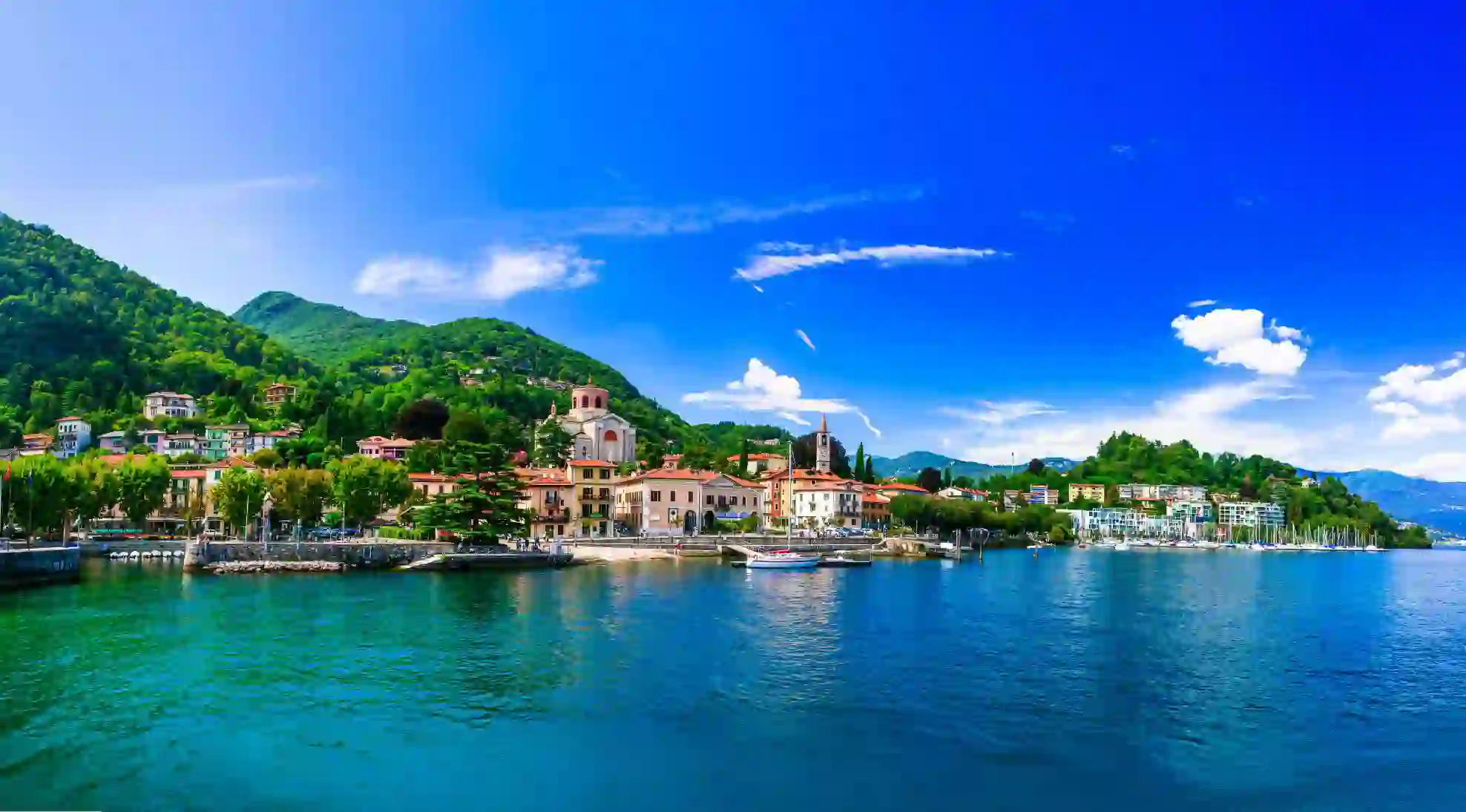
Destination ‘dupes’: Five alternatives to Europe’s holiday hotspots
Take the road less travelled this year and discover one of Europe’s best-kept secrets with fewer crowds and unique highlights for excellent value.
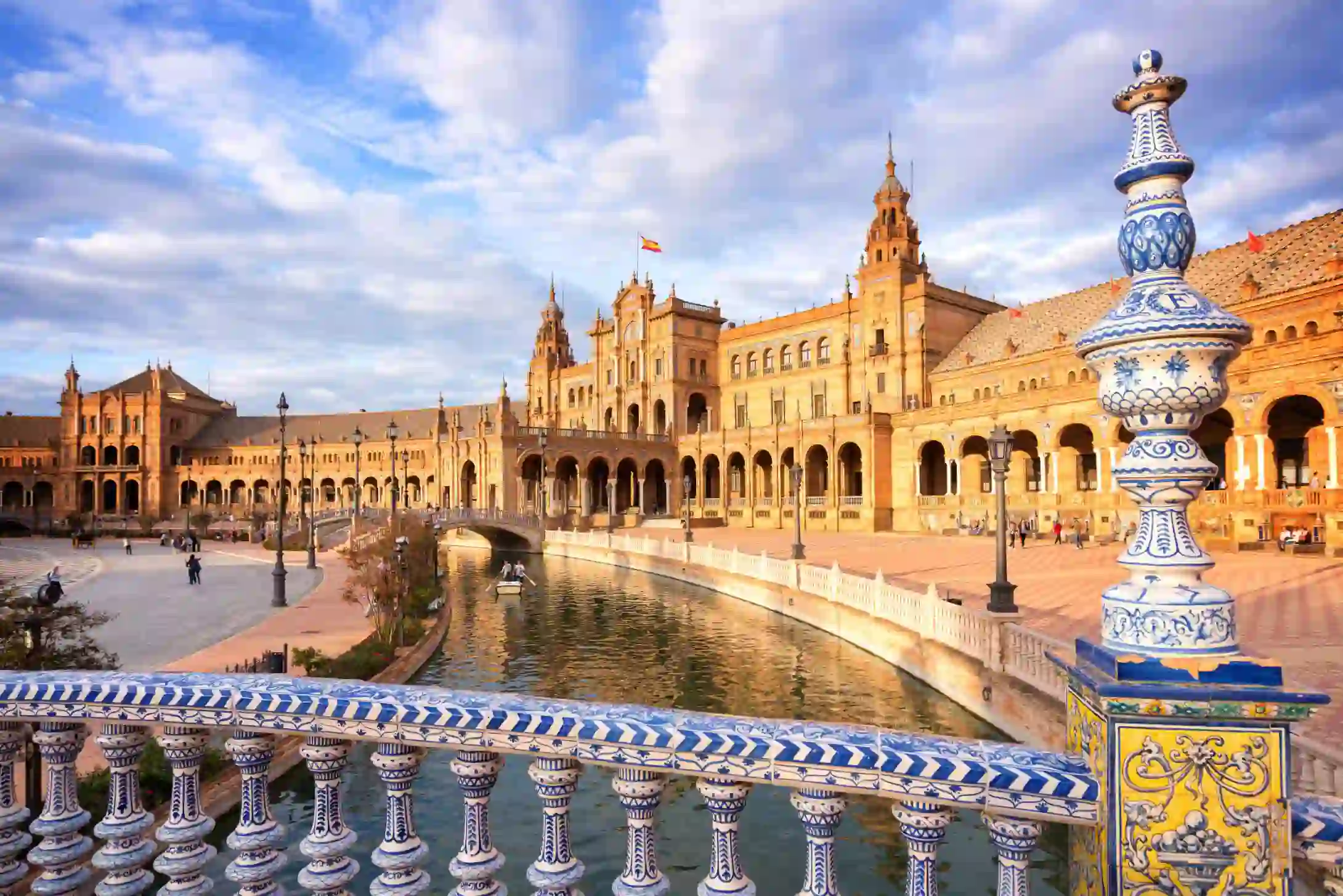
The best European hotspots to explore in 2026
While Europe is home to spectacular sights, some spots stand out from the rest. From the dramatic Norwegian fjords to the beautiful Douro Valley, we’ve rounded up the top European travel destinations for 2026.

Cruising with Susan: Five reasons to set sail on your own wish-list Aegean cruise
Follow in the footsteps of Scottish comedian, Susan Calman, and discover the wonders of the Greek coast aboard the award-winning Celestyal Discovery.